Iran Says It Is Ready to Target US Warships as Trump Weighs Next Move
Tensions are escalating in the Persian Gulf as Iranian military leaders threaten naval assets while global energy prices climb and diplomatic talks stall.
By Andrew Fletcher ·
For those relying on global shipping lanes or watching the price of fuel, the situation in the Middle East is becoming more volatile. Iranian military officials have declared that their forces are prepared to open fire on United States warships. This warning comes as President Donald Trump suggests that Washington has not yet decided on its next strategic move in the ongoing conflict. The uncertainty is keeping markets on edge and diplomatic channels tight.
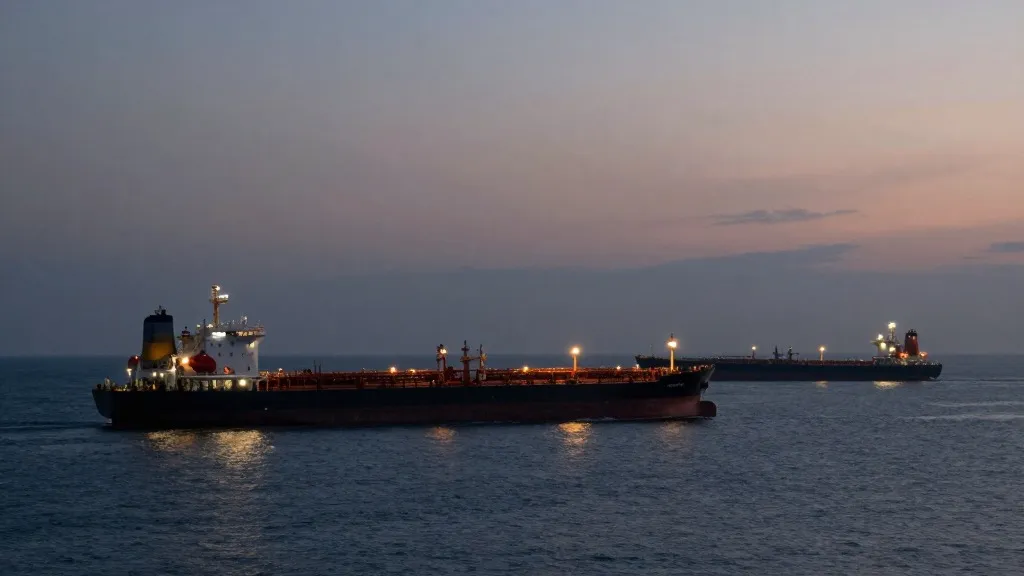
The economic impact is already visible to consumers worldwide. Brent crude oil has surged to approximately $117 per barrel, marking its highest level since April. This spike is driven by renewed threats to shipping in the Strait of Hormuz. The Islamic Revolutionary Guard Corps reported that seven tankers were attacked or hit mines between Wednesday night and Thursday. On Friday, the group claimed that two additional supertankers had struck mines. These incidents underscore the physical risks to commercial vessels in one of the world's most critical energy corridors.
The verbal exchange between the two powers has grown sharper. Ali Abdollahi, the chief of general staff for Iran's armed forces, issued a statement on Saturday morning saying the US Navy cannot re-enter Iranian territorial waters. He argued that Iran can target any vessel in the region. Abdollahi told the US president that he can only dream of his soldiers and military entering the Persian Gulf again. He also pointed out what he sees as a contradiction in American rhetoric. While Washington claims Iran's military capabilities are largely destroyed, the US has not moved its aircraft carriers and support ships closer to Iranian territory, which Abdollahi views as proof of caution.
Trump addressed supporters at a rally in Florida on Friday, where he mentioned that the US military might conduct another Epic Fury operation. This refers to the large bombing campaign launched against Iran at the start of the war. Earlier, the president had debated whether to end the fighting quickly with massive strikes or to allow the naval blockade and sanctions to continue squeezing Tehran. The decision remains pending, leaving the region in a state of suspended animation.
Abdollahi framed the conflict as a response to the surprise attack that began on February 28, which started an eight-month war. He stated that Iranian forces intend to drown the US and Israel in a quagmire. Meanwhile, the conflict is spilling over into other areas. The Iran-allied Houthis in Yemen struck Riyadh on Saturday, following recent attacks on Dammam's international airport and the Shaybah oilfield. In response, Saudi forces bombed Houthi-held areas in Marib and Taiz. In southern Lebanon, Israeli air strikes hit areas near Nabatieh, and artillery fell near Zawtar ash-Sharqiyah.
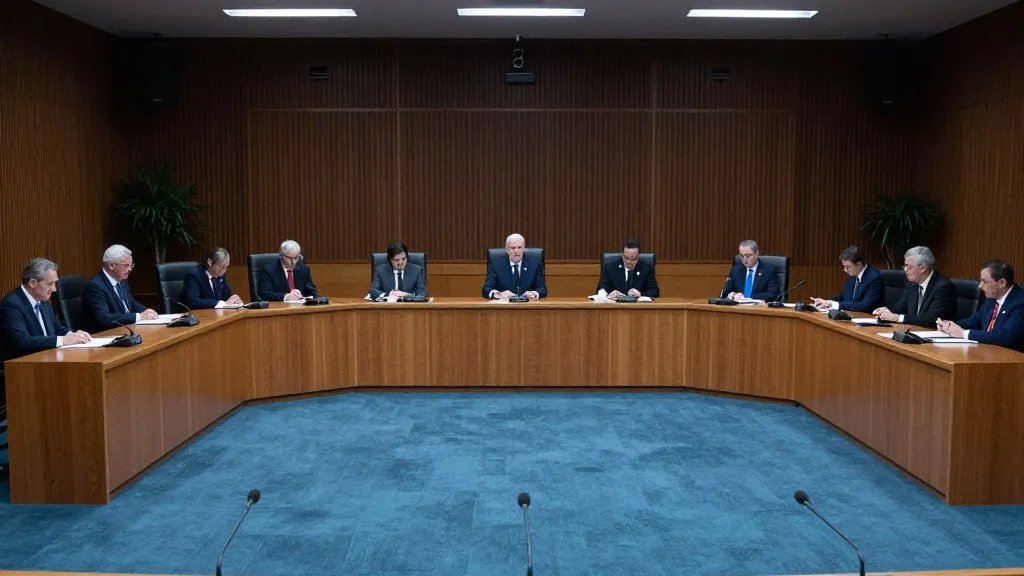
Political developments are also influencing the military posture. Israeli Prime Minister Benjamin Netanyahu, who faces an election on October 27, ordered a lockdown of the occupied West Bank after a Palestinian attack killed two soldiers in Hebron. On the diplomatic front, mediated talks between Tehran and Washington have not yielded progress. Senior diplomats from Turkiye, Saudi Arabia, Pakistan, and Egypt met in Istanbul with counterparts from the UK, France, Germany, and Italy. Neither the US nor Iran attended. Turkiye's Foreign Minister Hakan Fidan warned that a new attack on Iran would widen the war and spread the conflict across the region. He noted that no one is endorsing a new strike at this point.
Other diplomatic figures expressed mixed views. German Foreign Minister Johann Wadephul blamed Iran and the Houthis for regional instability. The four regional ministers present stated that Israeli occupation was the main source of instability. They backed the Islamabad memorandum of understanding signed in June and demanded unrestricted passage through the Strait of Hormuz. Iranian state-linked media, including Nour News, suggested the meeting highlighted a gap between diplomatic claims and field realities. Analysts are noting that Iran may have activated a dead hand doctrine, which would allow attacks to continue from all 31 provinces if senior leaders are assassinated. The IRGC has also threatened seabed internet and communication cables if civilian infrastructure is targeted again.
Source: Al Jazeera