Yemen's Taiz City Faces Severe Water Crisis Amid Houthi Advances
Aid groups warn that restrictions on wells, fuel shortages, and blocked delivery routes are pushing over one million residents in the Yemeni city toward a humanitarian emergency.
By Luis Fernandez ·
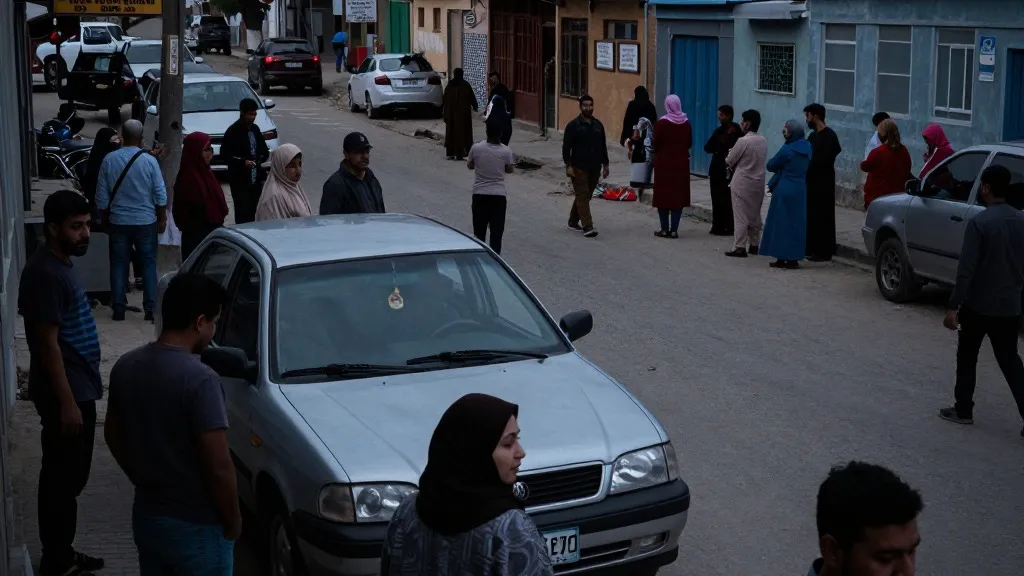
The people of Taiz, the third-largest city in Yemen, are facing a critical shortage of drinking water as the conflict involving the Iran-backed Houthi rebels intensifies. While residents have dealt with limited water access for over a decade, humanitarian organizations report that the situation has deteriorated sharply in recent weeks. The ongoing siege by the Houthis has created a complex web of logistical challenges that are now affecting the daily lives of more than one million people in the city.
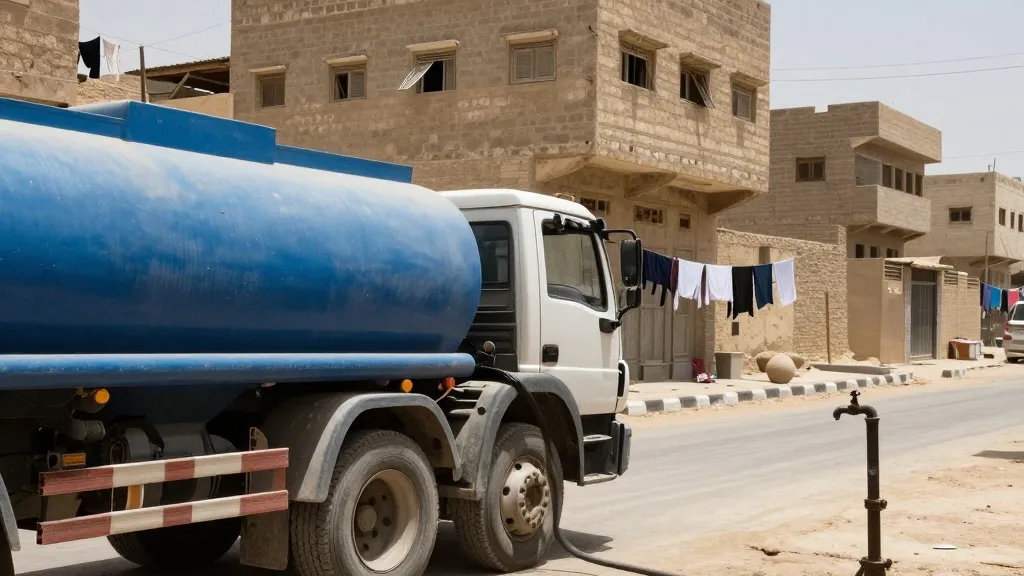
The most immediate problem is the physical barrier to water supply. Access to local wells has become restricted, and desalination plants are struggling to operate because they lack sufficient fuel. Furthermore, water trucks, which previously provided a reliable backup, are largely blocked from entering the city. Hadil al-Shahid, a local resident, described how her family’s consumption habits have changed drastically. She used to use about 10 liters of bottled water per day for cooking and drinking, but now stretches that amount to last four days. She noted that she and her two young children have stopped drinking tea and coffee to conserve resources, adding that bottled water prices have jumped by as much as 75 percent in just a few weeks.
The water crisis is part of a broader squeeze on the city’s resources. Grocery shortages have pushed food prices higher, while fuel scarcity is making it difficult to maintain hospital operations and sanitation services. These combined factors increase public health risks. Amnesty International has called on the Houthis to open the roads into Taiz immediately, warning that the city is nearing the brink of a severe humanitarian disaster. The pressure on basic services has also led some households to buy essentials on credit, highlighting the financial strain on families.
The context of this crisis is rooted in the civil war that began in 2014, when the Houthis took control of much of the north, including the capital, Sanaa. Taiz has remained a focal point of fighting since then. The conflict has widened in recent months as the Houthis advanced on the city after capturing the port of Mokha, a strategic location for Red Sea shipping. This military movement has cut off residents from nearby wells and outside deliveries. Truckers who still attempt the dangerous journey have raised their rates, sometimes tripling them, while local utilities operate well below capacity due to low fuel reserves.
The strain on the local economy is evident in rising costs for basic necessities. Cooking gas prices have more than quadrupled, forcing some families to burn wood, charcoal, or cardboard for fuel. Flour and rice have become about 50 percent more expensive compared to the summer. Ahmed Abdel Gaber, a displaced resident living in the ruins of a building, said his income from hauling construction materials has become unstable. He and his family now rely heavily on assistance and donations to secure food. Similarly, Al-Shahid, who owns a hair salon, had to close her business as customers prioritized buying food and water over personal care.
The humanitarian outlook remains fragile. United Nations experts estimate that Taiz province has absorbed roughly 124,000 displaced people since August. Many of these individuals live in makeshift shelters and survive on a single meal a day. Jens Laerke, a UN spokesperson, warned that the shortages are feeding into each other, increasing the risk of disease, including cholera, especially as families rely on unprotected wells. Foreign Minister Afrah al-Zouba has acknowledged the tightening grip of the rebels, and analysts suggest that controlling Taiz is a strategic goal for the Houthis if they wish to push further south. Civilians continue to live in danger, with recent missile strikes hitting residential areas and killing two teenage girls. Despite the risks, many residents like Al-Shahid feel that staying in their homes is their only option, regardless of the outcome.
The situation in Taiz illustrates how a localized water crisis can expand into a full-scale humanitarian emergency when compounded by military conflict and economic strain. As the siege tightens, the ability of aid groups to meet the needs of the population is becoming increasingly difficult, leaving residents to make hard choices about how to stretch limited resources for survival.
Source: NPR