Czech Government Replaces TV Fee With State Budget Funding
Lawmakers advanced a bill to shift public broadcaster finances to the state treasury, a move critics say risks increasing political influence over news coverage.
By Mykola Bondarenko ·
The governing coalition in the Czech Republic has officially advanced a legislative package designed to replace the existing household broadcasting fee with direct funding from the state budget. This development marks a significant shift in the financial architecture of the country's public media sector, a move that has intensified debate over the future of editorial independence.
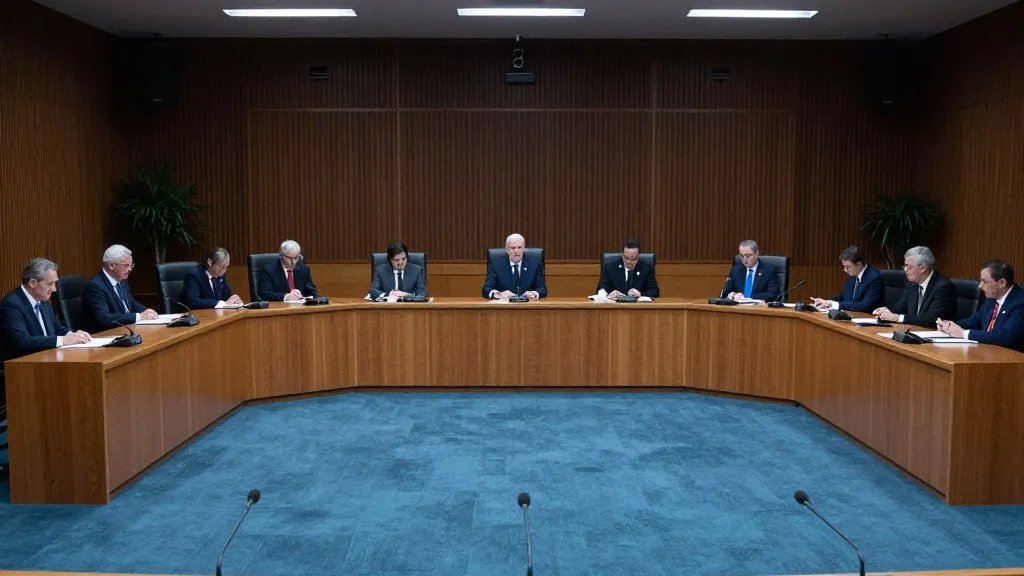
In a parliamentary session that extended into the early hours of Saturday, coalition members voted to send the bill to specialized committees for detailed review. The central element of the proposal eliminates the mandatory 205 crown charge, equivalent to approximately $9.45, currently paid by households. Under the new framework, public broadcasters would instead receive their primary financial support directly from the national treasury. The legislation also proposes an initial reduction in funding for Czech Television and Czech Radio by roughly 15 percent, with nominal budget levels remaining static for a subsequent period of several years.
The government, led by Prime Minister Andrej Babis, champions the reform as a fulfillment of a campaign promise made before he assumed office in December of last year. Babis, a billionaire and populist leader whose administration is supported by the far-right SPD party, has frequently criticized both public and private media outlets for what he perceives as biased coverage. He argues that the new model is more equitable for lower-income families and will compel media organizations to operate with greater efficiency.
Babis has actively defended the measure against accusations that it threatens press freedom. In a social media post published late on Friday, he stated that there is no war against independent media and that no nationalization is being prepared. He insisted that the changes represent a fair adjustment rather than a fight for democracy.
However, opposition voices remain skeptical. Political opponents have drawn comparisons between the Czech reforms and media changes implemented under former Hungarian Prime Minister Viktor Orban. Employees of the public broadcasters have also expressed concern, having previously staged a strike in June. They argue that linking funding directly to the state budget exposes them to greater political pressure and potential interference.
The stakes are particularly high because public media maintain a dominant position in Czech society. These outlets are consistently ranked among the most trusted news sources in the country, with Czech Television attracting the largest viewership across multiple demographic groups. Given this prominence, any perceived shift in funding dynamics carries significant weight for the broader information landscape.
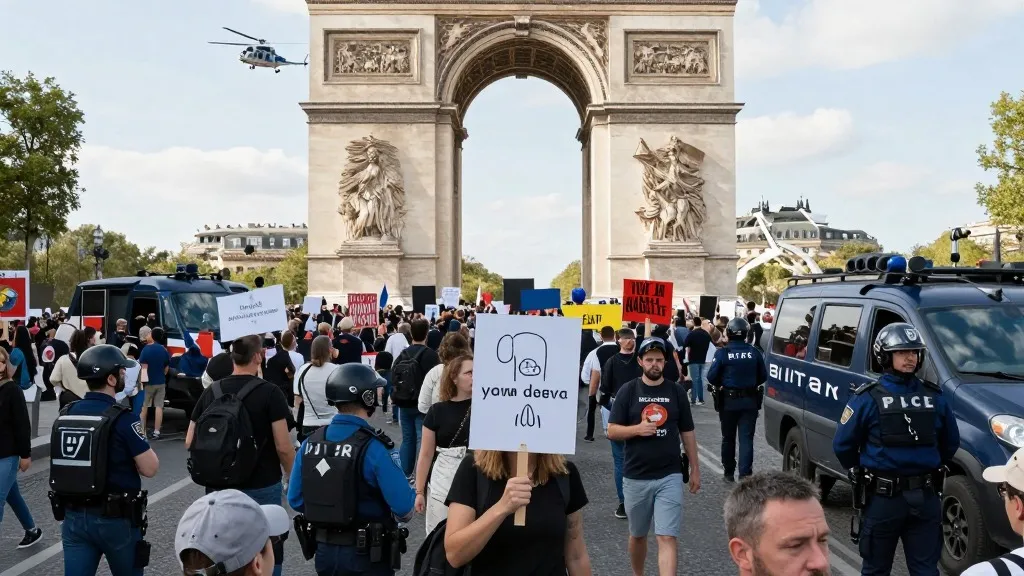
Public resistance continues to build as further actions are organized. A civic group has scheduled a demonstration for Sunday, while journalists and other staff members at the broadcasters have announced a new strike for November 3. The coming weeks will likely determine whether the coalition can navigate these institutional hurdles or if the opposition can force a reconsideration of the terms.
Source: Al Jazeera