Hebron structures demolished after deadly soldier attack
Israeli forces removed illegal buildings in western Hebron following a shooting that killed two troops, triggering a wider security sweep and evacuations.
By Anastasia Volkova ·
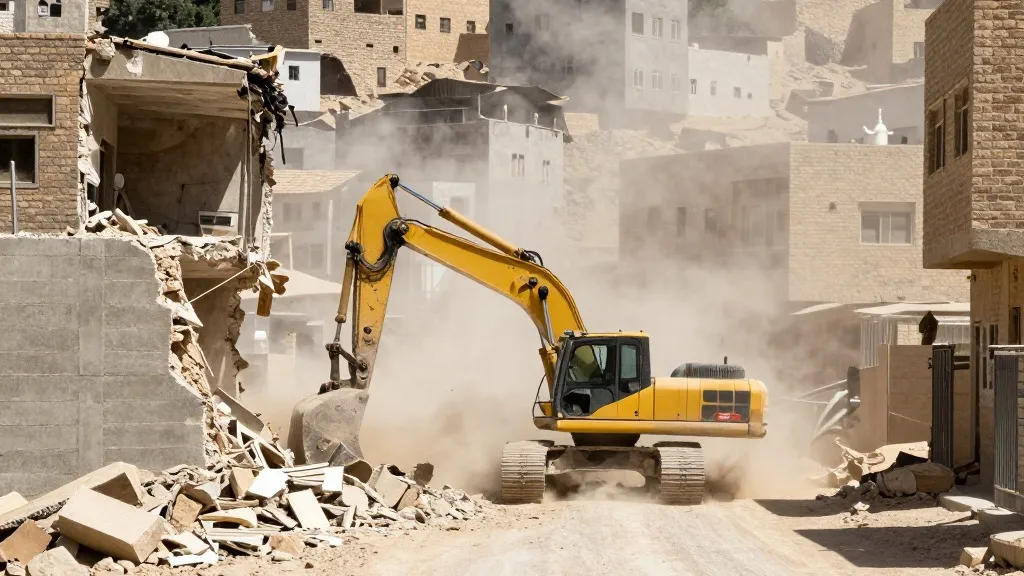
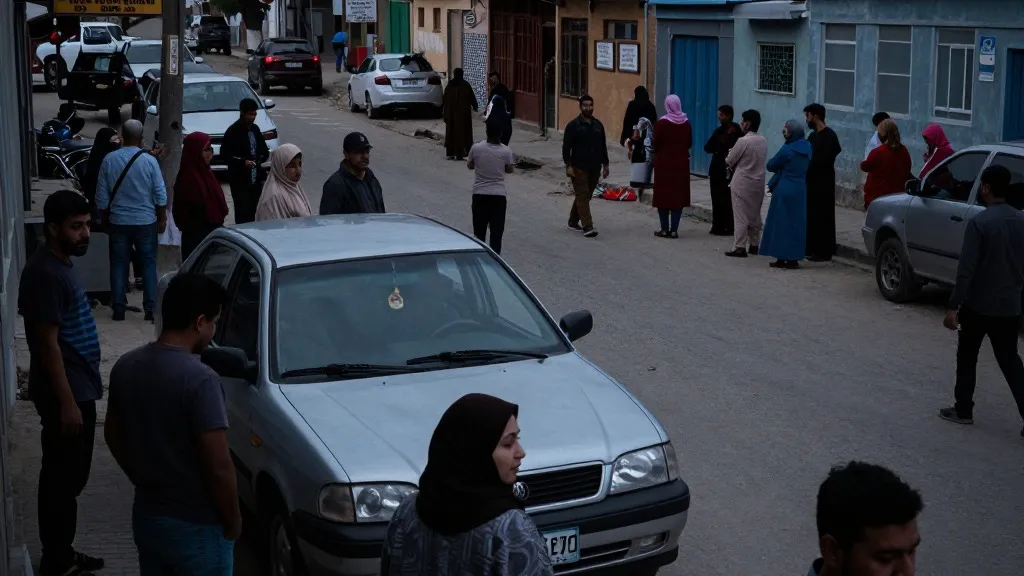
Residents of western Hebron faced immediate disruption this week as Israeli military and civilian authorities removed illegally constructed buildings and infrastructure near the city's northern entrance. This action, completed on Saturday, marks a significant escalation in the local security posture. For ordinary people in the area, the primary change has been the temporary evacuation of two densely populated neighborhoods. Civilians were permitted to leave their homes through specific checkpoints, a measure designed to allow security forces to search properties more thoroughly without placing civilians at risk during inspections.
The operation was launched in direct response to a deadly shooting incident that occurred on Friday at Yehuda Junction. Two Israeli soldiers, St.-Sgt. Ron Yonatan Roytman and Sgt. Yuval Shai Svilem, were killed in the attack. Military officials stated that the demolitions, carried out close to the scene of the shooting, were intended to enforce law and order. By removing these structures, the IDF aims to eliminate potential security threats that could have been posed by the buildings to passing troops or civilians.
The broader counterterrorism campaign is being coordinated by the Judea Brigade. It involves a diverse array of military and police units, including troops from the Duvdevan and Maglan units, the Paratroopers Brigade, and Givati reconnaissance reservists. Border Police personnel are also participating in the effort. The operation is guided by intelligence from the Shin Bet security agency, which helps direct forces to high-priority targets. This multi-agency approach reflects the complexity of the mission, which combines traditional military operations with specialized intelligence gathering.
During the search phase of the operation, soldiers examined approximately 200 locations in the vicinity. In most cases, the presence of weapons or active terrorist activity was ruled out. However, the thoroughness of the sweep resulted in the arrest of ten suspects. Military assessments indicate that the area is home to roughly 2,000 residents belonging to the Ja'aba clan. This clan is affiliated with Hamas and is the group from which the gunmen responsible for Friday's attack originated. Central Command officials identified the attackers as Hamouda and Firas al-Ja'aba, both of whom are linked to Hamas and came directly from the Ein Dir-Baha neighborhood.
The evacuation of the al-Jalda and Ein Dir-Baha neighborhoods began on Friday evening. These districts are located within the Palestinian urban area of western Hebron. Officials explained that removing residents from the buildings allows troops and Shin Bet personnel to conduct detailed searches of structures, family homes, and immediate surroundings. The goal is to find terrorist infrastructure, weapons, ammunition, explosives laboratories, and weapons caches. The area is well known to the security establishment as a center of activity for Hamas operatives in Hebron, making it a critical zone for the ongoing campaign.
A situational assessment is scheduled for Saturday to determine whether the operation will expand further. In the meantime, Brig.-Gen. Kobi Heller, commander of the IDF's West Bank Division, has broadened arrest operations and searches in other key areas. These include Nablus, Jenin, and Tulkarm, as well as additional locations throughout Samaria. This expansion suggests that the security forces are not limiting their focus to the immediate vicinity of the attack, but are looking for broader connections to the perpetrators.
The timing of these expanded operations coincides with heightened concerns about the intentions of Hamas leadership abroad. Security officials are wary of efforts to orchestrate terrorist attacks ahead of upcoming elections. The combination of local demolitions, widespread searches, and targeted arrests indicates a strategy aimed at degrading the operational capabilities of armed groups in the region. For the residents of Hebron and nearby towns, the coming days will likely be defined by continued military presence and heightened security measures as the investigation into Friday's deadly shooting continues.
Source: The Jerusalem Post