Tesla Confirms Cybercab Customer Deliveries Will Begin by End of 2026
Tesla's engineering leadership has finalized a timeline for the first private sales of the autonomous two-seater, though the majority of units will remain in the company's internal fleet.
By Wei Zhang ·

Tesla has officially set a deadline for the first private sales of its Cybercab, confirming that customers will begin receiving the autonomous two-seater before the end of 2026. This announcement during the company’s third-quarter earnings call on October 21 resolves lingering uncertainty regarding the vehicle's market availability and marks a significant milestone in Tesla's transition toward a fully autonomous fleet.
Lars Moravy, the company’s Vice President of Engineering, stated that the goal is to get Cybercabs into the hands of customers by the end of the year. While production is already active at the Gigafactory Texas facility, Moravy clarified that every unit currently coming off the line is being routed directly to Tesla’s internal Robotaxi fleet. This strategic allocation ensures that the vehicle proves its reliability in a controlled environment before being exposed to the complexities of private ownership.
The company expects initial private deliveries to be limited in volume. Moravy explained that these early sales will serve as a pilot phase, allowing Tesla to refine its logistics, ownership models, and fleet management systems. By starting small, the company can gain essential experience in operating autonomous vehicles outside of its direct operational control, a critical step before scaling up individual sales.
CEO Elon Musk reinforced this cautious approach, describing the Cybercab primarily as a "transport-as-a-service" offering rather than a traditional personal vehicle. Unlike the Model 3, Model Y, or the upcoming Roadster, which are designed for individual ownership, the vast majority of Cybercabs will remain Tesla-owned. This business model positions the vehicle as a core component of the company's shared mobility ecosystem rather than a standalone consumer product.
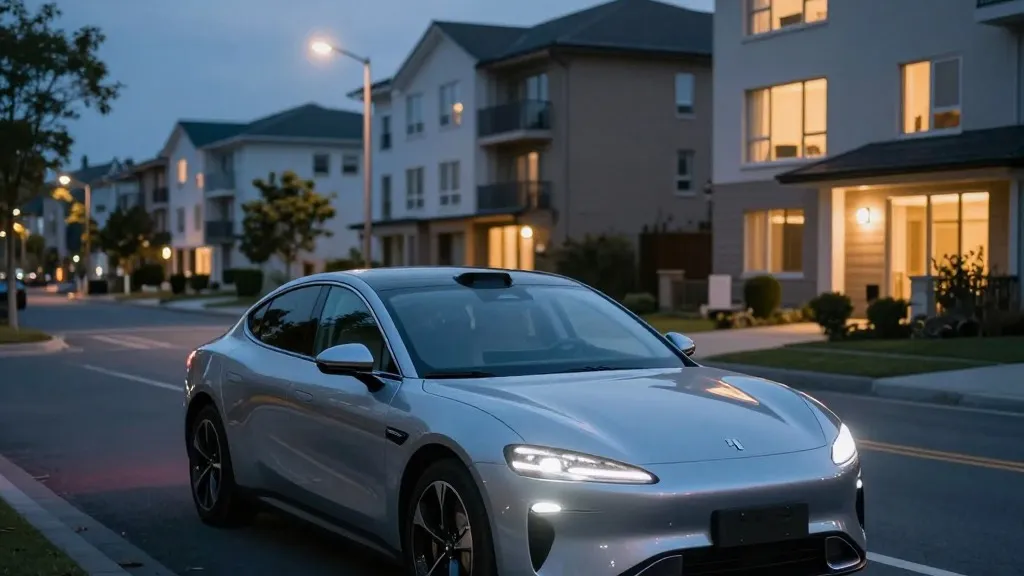
The Cybercab is a purpose-built vehicle that eliminates conventional controls such as a steering wheel and pedals, relying entirely on Tesla’s Full Self-Driving technology. Production of the vehicle began in February, and early units have been integrated into the public-facing Robotaxi service since early September. Tesla has previously indicated a target price of approximately $30,000 for the vehicle, a figure that remains relevant for the limited number of units expected to be sold privately this year.
While the 2026 deadline for customer deliveries is firm, the broader rollout of unsupervised Full Self-Driving technology to other consumer vehicles remains on a later timeline. Ashok Elluswamy, Tesla’s Head of AI, indicated during the call that unsupervised Full Self-Driving is expected to ship to consumer cars during the second quarter of 2027. This suggests that the Cybercab will be the first vehicle to feature the technology in a customer-facing capacity, even if it is not the first to be widely available.
Potential early buyers or fleet operators should be aware that autonomous operation may initially be geographically restricted. Regulatory agencies are still catching up with the technology, meaning that some vehicles may have limited operational zones in their early stages. These regulatory hurdles remain a key consideration as Tesla prepares to hand over control of the vehicles to customers.
For Midwest readers, the timing of these deliveries suggests that the Cybercab will be part of the late 2026 automotive landscape. The focus on a service-based model implies that while private ownership is possible, the primary value proposition for most users will likely be through Tesla's shared fleet. The company’s strategy to prioritize internal fleet deployment before private sales highlights a commitment to operational stability over rapid market expansion.
The announcement signals a shift in Tesla's product strategy, emphasizing the Cybercab as a tool for mass mobility rather than a luxury item for individual owners. By keeping the majority of units in its own fleet, Tesla retains control over the user experience and data collection, which are vital for improving the Full Self-Driving system. The end-of-2026 target is a concrete step in bringing this vision to reality.
As the company moves toward the end of the year, attention will turn to how smoothly the transition from internal fleet to private customer works. The success of these early deliveries will likely dictate the pace at which Tesla expands private sales in the future. For now, the definitive date provides clarity on when the Cybercab will first be available to the public, ending months of speculation about its launch timeline.
Source: Teslarati